Hey cocktail enthusiasts! Ever stood in front of a liquor store aisle, totally overwhelmed, wondering what you *really* need to kickstart your home bar?
I’ve been there, trust me. It’s easy to get lost in a sea of fancy bottles and obscure liqueurs, but creating delicious, impressive drinks at home doesn’t have to be complicated or expensive.
After countless experiments, some truly fantastic sips, and a few (let’s be honest) less memorable concoctions in my own kitchen, I’ve discovered the absolute must-have essentials that will set you up for success without breaking the bank.
Forget the fluff; we’re talking about the core ingredients that unlock a world of amazing cocktails, from timeless classics to your own creative twists, making every happy hour an experience.
Ready to elevate your home mixology game? Let’s dive into the details below!
Building Your Foundation: The Core Spirits
The Essential White Spirits: Vodka, Gin, and Tequila
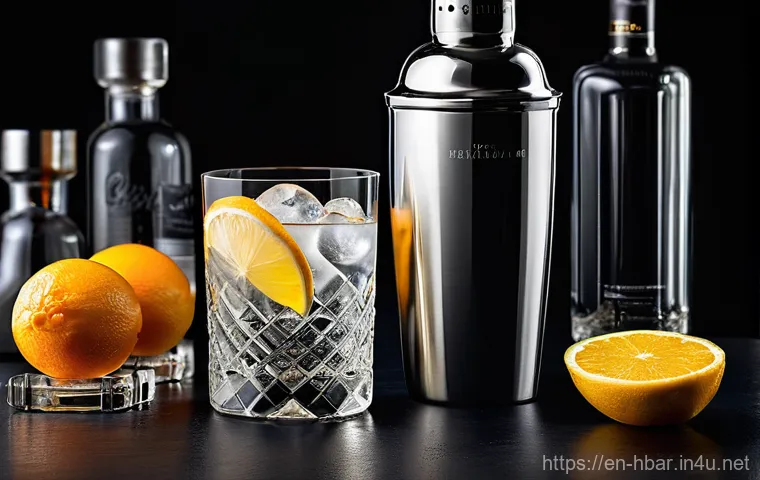
When I first started dabbling in cocktails at home, I was convinced I needed every spirit under the sun. Turns out, you really don’t! My journey taught me that a well-chosen trio of white spirits can unlock an incredible array of drinks.
First up, vodka. It’s the chameleon of cocktails, versatile and perfect for everything from a crisp Vodka Soda to a classic Moscow Mule. You don’t need the most expensive bottle; a mid-range, smooth option works wonders.
Then there’s gin. Oh, gin! For me, a good London Dry Gin is non-negotiable.
Its botanical complexity adds an entirely different dimension to drinks, making it the star of a Gin & Tonic or a sophisticated Negroni. And finally, tequila.
A decent blanco tequila is your ticket to Margaritas and Palomas, bringing that vibrant, earthy kick that’s just irreplaceable. I remember my first perfectly balanced Margarita at home – it was a game-changer and all thanks to a simple, good quality blanco.
Don’t feel pressured to buy aged varieties when you’re just starting; the blanco is where the magic truly begins for these vibrant, refreshing cocktails.
Trust me, these three will get you through almost any cocktail craving.
Dark Delights: Whiskey and Rum
Moving onto the darker side of the liquor cabinet, whiskey and rum are absolute must-haves for anyone serious about a versatile home bar. For whiskey, I always recommend starting with a good bourbon.
It’s got that sweet, oaky warmth that makes for incredible Old Fashioneds, Manhattans, and Whiskey Sours. There’s nothing quite like cozying up with a perfectly crafted bourbon drink on a chilly evening.
I’ve experimented with various bourbons over the years, and I’ve found that a solid mid-shelf bottle offers fantastic flavor without breaking the bank.
On the rum front, having both a white (light) rum and a dark (aged) rum opens up so many possibilities. White rum is your go-to for Mojitos and Daiquiris, bringing a clean, crisp sweetness.
Dark rum, with its rich, caramel notes, is fantastic for more complex tiki drinks or a simple Rum and Coke. I vividly recall the first time I made a proper Dark ‘n’ Stormy with a good dark rum; the depth of flavor was just incredible and completely elevated the simple concoction.
Investing in these two types of rum means you’re ready for summer parties and cozy winter evenings alike.
The Essential Toolbox: Shakers, Strainers, and More
Mastering the Shake: Your Cocktail Shaker Options
When I first started mixing drinks, I thought any old jar would do for shaking. Boy, was I wrong! A proper cocktail shaker is a game-changer for chilling and diluting your drinks perfectly.
There are primarily two types I recommend: the Boston shaker and the Cobbler shaker. The Boston shaker, typically a metal tin paired with a mixing glass, is what many professional bartenders use.
It’s incredibly efficient for creating a strong seal and chilling drinks quickly. It took me a bit to get the hang of separating the tins gracefully, but once you do, it feels incredibly satisfying.
On the other hand, the Cobbler shaker is a three-piece unit with a built-in strainer and cap, making it super user-friendly for beginners. I actually started with a Cobbler shaker because it felt less intimidating.
Both are excellent choices, but if you’re looking for durability and a slightly more “pro” feel, the Boston shaker is a fantastic long-term investment.
Just make sure whatever you choose, it feels comfortable in your hand and has a good seal to prevent any messy spills.
Precision and Pours: Jiggers, Strainers, and Bar Spoons
Beyond the shaker, a few small but mighty tools will drastically improve your home bartending game. First up, the jigger. This isn’t just for fancy bars; precise measurements are crucial for balanced cocktails.
Trust me, I’ve learned the hard way that “eyeballing it” often leads to unbalanced, less-than-stellar drinks. A double-sided jigger, typically measuring 1 oz on one side and 1.5 oz or 2 oz on the other, is incredibly practical.
Next, a good strainer is non-negotiable. You’ll mostly encounter the Hawthorne strainer (with a spring, perfect for catching ice and fruit pulp) and the Julep strainer (bowl-shaped, ideal for stirred drinks).
I use my Hawthorne strainer almost daily; it’s a workhorse! Finally, a long-handled bar spoon is surprisingly versatile. It’s not just for stirring; it helps with layering drinks, muddling, and even measuring tiny dashes of ingredients.
These tools might seem small, but they make a monumental difference in the quality and consistency of your cocktails. Think of them as extensions of your hands, making every pour and stir more intentional and effective.
The Sweet and Sour Symphony: Essential Mixers
Crafting Your Own Simple Syrups
This might sound intimidating, but making your own simple syrup is one of the easiest and most impactful things you can do for your home bar. Forget those store-bought, overly sweet versions; fresh simple syrup elevates any cocktail.
It’s literally just sugar and water, heated until the sugar dissolves. I started making my own a few years ago, and I honestly can’t go back. The taste is cleaner, and you can control the sweetness level.
Plus, once you master the basic simple syrup (1:1 ratio of sugar to water), you can get creative! Infuse it with herbs like rosemary or mint, or spices like cinnamon, to add incredible depth to your drinks.
My go-to is a ginger simple syrup – perfect for a spicy Moscow Mule or a unique whiskey cocktail. It’s incredibly cost-effective too, saving you money in the long run while ensuring top-notch flavor.
Believe me, this small effort yields huge returns in the quality of your cocktails, and your guests will absolutely notice the difference.
Juicy Essentials: Fresh Citrus and Carbonated Companions
When it comes to mixers, fresh citrus is king. I cannot stress this enough: *always* use fresh lemon and lime juice. Bottled juices just don’t cut it; they taste dull and often have an off-putting bitterness.
The vibrant acidity of freshly squeezed juice brightens up any cocktail, providing that essential balance to sweet spirits and syrups. I usually buy a bag of lemons and limes at the start of the week and juice them as needed.
It’s a small ritual that makes a huge difference in the end result. Beyond citrus, don’t forget your carbonated mixers. A good quality tonic water is crucial for gin and tonics, and a sparkling water or club soda is versatile for highballs and lighter drinks.
Ginger beer is another fantastic addition, especially for Mules and Dark ‘n’ Stormies, offering that spicy kick. I’ve tried countless brands, and finding your favorite tonic or ginger beer makes a real impact on the overall drink experience.
Don’t skimp on these; they’re the unsung heroes that carry many cocktails.
Elevating the Experience: Garnish Game Changers
The Zest of Life: Citrus Peels and Twists
Garnishes aren’t just for looks; they truly enhance the aroma and flavor of a cocktail. And for me, citrus peels are where it all begins. A perfectly expressed orange peel over an Old Fashioned, or a delicate lemon twist in a Martini, isn’t just decoration.
When you twist that peel, it releases essential oils that interact with the drink’s aromatics, creating a multi-sensory experience. I remember struggling with my first attempts at cutting elegant twists, but with a good peeler and a little practice, it became second nature.
The key is to get a wide, thin strip of zest without too much bitter white pith. Experiment with different citrus – oranges, lemons, limes, grapefruits – as each brings its unique aromatic profile.
It’s a simple touch that tells your guests you care about the details, making them feel like they’re enjoying a drink from a high-end bar, right in your home.
Beyond the Slice: Herbs, Olives, and Cherries
While citrus is foundational, exploring other garnishes can truly set your home bar apart. Fresh herbs, for instance, are incredibly versatile. A sprig of mint is non-negotiable for a Mojito or a Mint Julep, providing a burst of refreshing aroma with every sip.
I’ve also found rosemary and basil work wonders in specific gin or vodka cocktails, adding an unexpected, sophisticated twist. Don’t be afraid to gently clap mint or basil leaves between your hands before adding them to release their fragrance.
For savory drinks, high-quality olives are a must for Martinis. Forget those cheap, briny ones; invest in some good quality, pitted green olives, perhaps even stuffed with blue cheese or pimento.
And for those classic whiskey cocktails, a good maraschino cherry (not the bright red, artificially flavored ones!) can make all the difference. Look for Luxardo or Amarena cherries; their rich, dark, boozy sweetness is a world away from the neon-red imposters.
These small additions are the final brushstrokes on your cocktail masterpiece.
Ice Is Nice: The Unsung Hero of Your Home Bar
The Cold Hard Truth: Why Your Ice Matters
When I first started making cocktails, I honestly thought all ice was created equal. “Ice is ice,” I’d tell myself. Oh, how wrong I was!
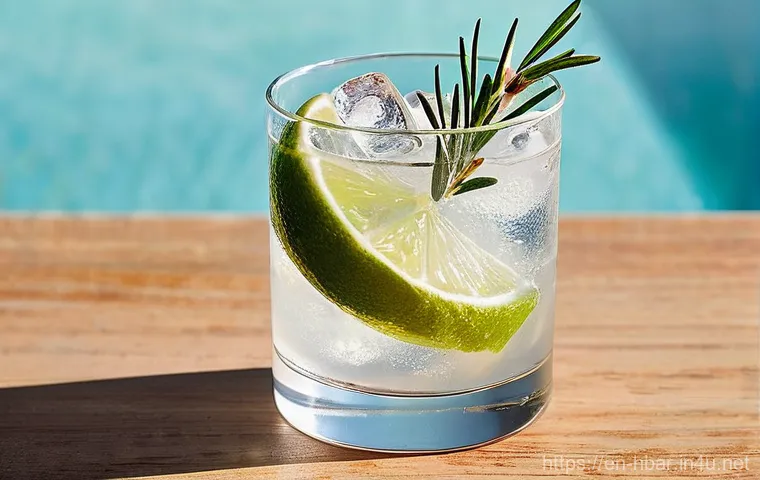
The quality and type of ice you use can drastically change your drink. Think about it: ice does two crucial jobs – it chills your drink and dilutes it.
Bad ice (think small, watery cubes from a freezer tray) melts too quickly, over-diluting your drink and making it watery and bland. Good ice, on the other hand, is dense and melts slowly, ensuring your cocktail stays perfectly chilled and balanced from the first sip to the last.
I’ve invested in some silicone ice molds for larger cubes and spheres, and it’s been a total game-changer, especially for stirred drinks like an Old Fashioned or Negroni.
The visual appeal alone is stunning, but the slow dilution rate is the real win. Don’t underestimate the power of good ice; it truly is the backbone of a well-made drink.
Crafting Your Chiller: Specialized Ice for Specific Sips
Beyond the standard large cube, having a few different ice options in your arsenal can elevate specific cocktails. For crushed ice, which is essential for certain tiki drinks, Mojitos, and Swizzles, you don’t necessarily need a fancy machine.
I often just put regular ice cubes in a clean cloth bag and smash them with a mallet or a rolling pin. It’s surprisingly therapeutic and creates that perfect textural element these drinks crave.
For highballs or drinks where you want a lot of chill without too much dilution, simply having clean, fresh ice from a dedicated ice tray can make a difference.
Avoiding ice that has absorbed freezer odors is key. I even keep a separate, airtight container specifically for cocktail ice to ensure it’s always pristine.
Trust me, paying attention to your ice will transform your cocktails from “good enough” to “wow, this is amazing!” It’s a small detail that speaks volumes about your dedication to crafting a perfect drink.
Glassware Glamour: The Perfect Vessel for Every Sip
The Foundation of Form: Rocks, Highball, and Coupe Glasses
Presenting a cocktail in the right glass is like framing a beautiful piece of art; it just makes the entire experience so much better. You don’t need a huge collection to start, but a few essential types will cover most of your bases.
First, the Rocks glass (also known as an Old Fashioned glass). This sturdy, wide-mouthed glass is perfect for spirits served neat, on the rocks, or for classic stirred cocktails like, you guessed it, the Old Fashioned.
Its weight and feel in hand just scream sophistication. Then there’s the Highball glass, a tall, slender glass ideal for long drinks that are often topped with soda or tonic, like a Gin & Tonic or a Mojito.
I love how it makes simple drinks feel elegant. Finally, the Coupe glass. This vintage-inspired stemmed glass is perfect for shaken cocktails served “up” (without ice), like a Daiquiri or a Manhattan.
Its elegant shape and stem keep your hand from warming the drink, which is crucial for these colder sips. These three types will give you incredible versatility.
Beyond the Basics: Martini, Wine, and Specialty Glasses
While the core three are a great starting point, expanding your glassware collection can truly enhance specific drink experiences. A classic Martini glass, with its distinctive V-shape, is iconic for its namesake cocktail and other strong, spirit-forward drinks.
Just be mindful of spills – they can be a bit precarious! For cocktails that lean more towards wine, like a spritz or a sangria, using a standard wine glass can feel incredibly natural and appropriate.
I often use my white wine glasses for spritzes during summer gatherings, and it works wonderfully. Then there are specialty glasses like the Copper Mug for a Moscow Mule, which isn’t just for aesthetics; the copper helps to keep the drink incredibly cold.
Or a delicate Champagne flute for sparkling cocktails. You don’t need to buy them all at once, but as you explore different types of cocktails, adding the appropriate glassware can really complete the experience.
The tactile and visual elements of a drink are just as important as the taste!
| Cocktail Type | Key Spirit(s) | Recommended Glassware | Example Cocktail |
|---|---|---|---|
| Spirit-Forward & Stirred | Whiskey, Gin, Vermouth | Rocks Glass, Coupe Glass | Old Fashioned, Negroni |
| Refreshing & Lengthened | Vodka, Gin, Rum | Highball Glass, Collins Glass | Gin & Tonic, Mojito, Paloma |
| Sour & Shaken | Gin, Vodka, Tequila, Whiskey | Coupe Glass, Martini Glass | Daiquiri, Margarita, Whiskey Sour |
| Bubbly & Celebratory | Prosecco, Champagne | Flute Glass, Coupe Glass | French 75, Bellini |
Mind Your Measurements: Precision for Perfection
The Art of Balance: Why Accuracy Truly Matters
When I first started mixing drinks, I was a bit haphazard with my measurements. A splash here, a dash there. And sometimes, by sheer luck, a drink would turn out great!
But more often than not, it was either too sweet, too sour, or just… off. That’s when I realized the absolute importance of precision.
Bartending, much like baking, is a science as much as an art. The balance between sweet, sour, strong, and weak is what makes a cocktail sing. A good jigger isn’t just a suggestion; it’s a necessity.
It ensures that every time you make your favorite drink, it tastes exactly as good as the last. I’ve found that carefully measuring each ingredient not only guarantees consistency but also helps me understand the ‘why’ behind a great recipe.
It allows you to truly appreciate the craftsmanship of a well-balanced drink and makes it easier to troubleshoot if something doesn’t quite hit the mark.
It’s a foundational skill that elevates your entire home bar experience, making every sip reliable and enjoyable.
Beyond the Jigger: Dashing and Dropping with Finesse
While the jigger handles your main spirit and mixer measurements, there are other, smaller elements that require a different kind of precision. Think about bitters, for instance.
These potent tinctures are measured in “dashes,” and a dash is not just an arbitrary pour. It’s typically a quick flick of the wrist from an inverted bottle, delivering about 1/8 to 1/4 teaspoon.
Too much, and your drink can become overwhelmed; too little, and you miss out on their complex aromatic contributions. I’ve experimented with various bitters, and knowing how to properly dash them has transformed my Old Fashioneds and Manhattans.
Similarly, when adding tinctures or even just a few drops of a specific essence, a dropper can be your best friend. It allows for controlled, micro-adjustments that can fine-tune a drink’s flavor profile.
It’s these small, deliberate acts of precision that truly distinguish a good home bartender from a great one. Don’t rush these final touches; they’re often what bring a cocktail into perfect harmony.
Wrapping Up Our Home Bar Journey
And there you have it, fellow cocktail enthusiasts! We’ve journeyed through the essentials of building a fantastic home bar, from the core spirits that form your liquid canvas to the delicate art of garnishing that elevates every sip. My own experience has shown me that creating incredible drinks at home isn’t about having an endless budget or a professional setup; it’s about passion, a few carefully chosen tools, fresh ingredients, and a willingness to experiment. The joy I get from crafting a perfectly balanced cocktail for myself or loved ones is truly unmatched. Remember, every master bartender started somewhere, and with these foundational elements, you’re well on your way to becoming the cherished mixologist of your own home!
Handy Tips for Your Home Bar
1. Master the Basics First: Before you dive into complex recipes, truly get comfortable with classic cocktails like the Old Fashioned, Margarita, and Gin & Tonic. Understanding their fundamental ratios and techniques will give you a strong base to build upon. I found that my confidence skyrocketed once I could consistently nail these. You’ll thank yourself for laying this solid groundwork.
2. Batch for Big Gatherings: Planning a party? Don’t spend the whole evening shaking individual drinks. Many cocktails, especially punches or those with citrus, can be pre-batched a few hours before. Just add ice and garnishes right before serving. It’s a lifesaver for hosts and lets you enjoy your own party!
3. Ice is an Investment: Seriously, good ice makes a monumental difference. Consider a dedicated ice maker or at least good quality silicone molds for large cubes. Keep your cocktail ice separate from freezer-smelly food items to maintain its purity and flavor. This small detail truly elevates your drink.
4. Freshness is Key: I can’t stress this enough – always use fresh citrus juice and high-quality mixers. The difference between fresh-squeezed lime and bottled lime juice is night and day. It directly impacts the vibrancy and balance of your drinks, making them truly professional and infinitely more enjoyable.
5. Don’t Be Afraid to Experiment: Once you’ve got the basics down, feel free to play around with different spirits, homemade syrups, and unique bitters. Some of my most delightful discoveries came from simply trying something new. Keep a journal of your experiments – you never know when you’ll strike gold and create your next signature drink!
Key Takeaways to Remember
Building your ideal home bar is an exciting journey of discovery, and it’s surprisingly achievable with a focused approach. My biggest realization has been that quality truly trumps quantity. Start with a select collection of essential white and dark spirits—think a versatile vodka, a botanical gin, an earthy tequila, a warm bourbon, and both light and dark rums. These form the backbone of countless classic and contemporary cocktails. Equip yourself with reliable tools: a good shaker, a precise jigger, and effective strainers are your non-negotiables. Don’t underestimate the power of fresh mixers, especially homemade simple syrups and freshly squeezed citrus, which elevate flavors to a professional level. And remember, garnishes aren’t just for show; they add crucial aromatics and visual appeal. Crucially, pay attention to your ice – it’s the unsung hero that controls dilution and chill. Finally, always use the right glassware to enhance the drinking experience and ensure precision in your measurements for a perfectly balanced sip every time. Embrace the process, have fun, and enjoy the delicious rewards of your own personalized cocktail creations!
Frequently Asked Questions (FAQ) 📖
Q: I’m totally new to this, and I don’t want to spend a ton of money on bottles I might not even use. What are the absolute must-have, core spirits and tools I really need to get started without breaking the bank?
A: Oh, I totally get it! I remember standing in the liquor store, just staring at the endless rows of bottles, feeling my wallet silently scream. But here’s the good news: you absolutely do not need to mortgage your house to start a fantastic home bar.
From my own journey, I’ve found that focusing on just a few versatile spirits is key. Think of it like this: a good bottle of Gin, a reliable Vodka, a decent Rum (I usually lean towards a white rum first for its versatility), and a solid Bourbon or Rye whiskey will cover so much ground.
With just those four, you’ve got the backbone for countless classics. Beyond the booze, don’t forget the tools! You don’t need fancy, expensive stuff.
A simple shaker (cobbler shakers are my go-to for ease), a jigger for measuring (seriously, precision makes a difference!), a strainer, and a long-handled spoon are your best friends.
I once tried to shake a martini in a protein shaker – trust me, it wasn’t pretty, and the lid definitely flew off! So, invest a little in these basics, and you’ll thank yourself later.
Start with these essentials, and you’ll be whipping up everything from a classic Old Fashioned to a refreshing Gin & Tonic in no time. It’s about smart choices, not expensive ones, and I’ve learned that less truly can be more when you pick the right bottles.
Q: There are so many brands of each spirit, and the prices vary wildly. How do I choose good quality spirits that won’t taste terrible but also won’t empty my savings? It’s so overwhelming!
A: This is probably the most common question I get, and for good reason! It’s like buying wine – you don’t want to pick the cheapest one and regret it, but you don’t need the most expensive either.
My personal strategy has always been to aim for the “middle shelf” sweet spot. You often find incredible value there. Don’t fall for the trap that higher price automatically equals better taste, especially when you’re mixing cocktails.
Some super premium spirits are fantastic for sipping neat, but their nuanced flavors can get lost when mixed with other ingredients. When I started out, I made the mistake of buying the cheapest vodka I could find, and let’s just say my Moscow Mules had a certain…
je ne sais quoi that wasn’t exactly pleasant. After a few cringe-worthy experiments, I learned to look for well-regarded, mid-tier brands. You can usually find great reviews online from other cocktail enthusiasts or even just by checking popular liquor store websites.
Often, brands like Tanqueray or Bombay Sapphire for gin, Absolut or Tito’s for vodka, Bacardi or Plantation 3 Stars for rum, and Maker’s Mark or Bulleit for bourbon offer fantastic quality for their price point.
It’s all about finding that balance where the flavor is clean and enjoyable without being ostentatious. Trust your taste buds, but also trust that you don’t need to splurge to get delicious results!
Q: Okay, so I’ve got my core spirits and tools. But can I really make a wide variety of exciting cocktails with just those few bottles, or will I be stuck making the same three drinks over and over?
A: That’s the beauty of starting with versatile core spirits – it unlocks a whole universe of drinks, I promise you! It’s one of those “aha!” moments I had early on in my mixology journey.
You might think you’re limited, but it’s amazing how many different flavor profiles you can achieve just by swapping out a mixer, a liqueur, or a garnish.
For instance, with that bottle of gin, you’re not just limited to Gin & Tonics. Add some vermouth, and you’ve got a Martini. Throw in some lemon juice and simple syrup, and hello, Gin Sour!
And with rum? Mojitos, Daiquiris, Dark ‘n’ Stormys are just the beginning. It’s all about understanding the building blocks.
Once you have a base spirit, you start adding “modifiers” like citrus (lemon, lime), sweeteners (simple syrup, honey syrup), and maybe a few key liqueurs like an orange liqueur (Triple Sec or Cointreau is gold!) or a dry vermouth.
Each combination creates a new experience. I remember feeling so proud when I realized I could make a classic Margarita and a Sidecar just by having tequila/cognac, orange liqueur, and lime/lemon on hand.
It truly feels like magic sometimes! Don’t worry, you absolutely won’t be stuck. In fact, you’ll probably find yourself getting adventurous and trying out new recipes constantly.
It’s an incredibly fun journey of discovery!